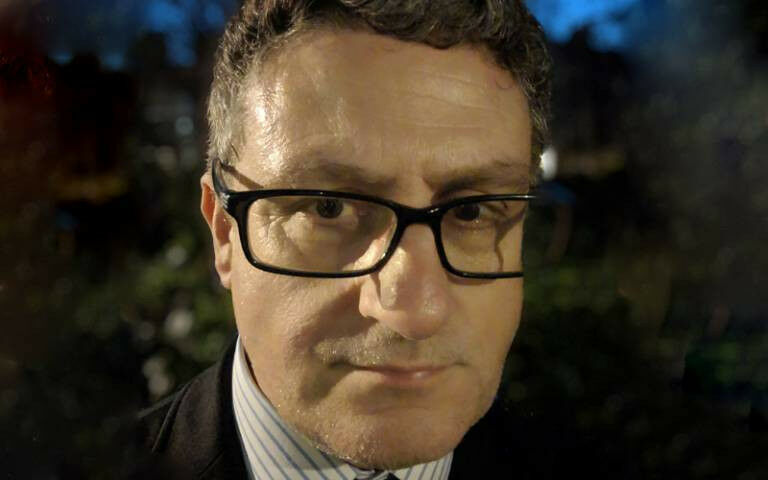
Mark Galeotti
Mark Galeotti - As haunting pictures show history repeating itself, Professor Mark Galeotti (UCL School of Slavonic & East European Studies) examines Russia's faltering invasion of Ukraine. Of the many tales of Soviet heroism from World War Two, the siege of Leningrad - modern day St Petersburg - ranks high in the Russian psyche. For almost 900 days, between September 1941 and January 1944, the city's three million inhabitants lived under constant German artillery and aerial bombardment. Leningrad's 'Blokadniki', the name given to survivors of the siege, suffered in freezing, filthy, and disease-ridden subterranean shelters. Some 800,000 died amid the rubble of Russia's historic capital - 600,000 of them from starvation. Every day was a battle against mental and physical collapse, with residents resorting to unspeakable measures - including cannibalism - to stay alive. On January 27 every year - the anniversary of the city's liberation - Vladimir Putin lays a wreath at the Piskaryovskoye Memorial Cemetery in St Petersburg.
TO READ THIS ARTICLE, CREATE YOUR ACCOUNT
And extend your reading, free of charge and with no commitment.