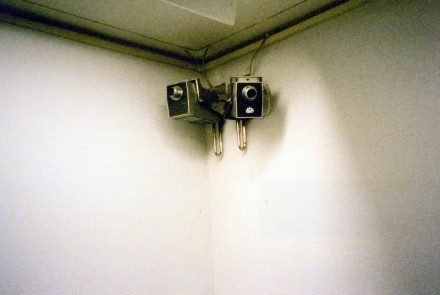
Photo by Pylbug on Twitter
The reports of stolen blueprints of the new ASIO headquarters have created an embarrassing situation for the organisation, and the bungle could also effect practices within the intelligence community in Australia. Surprisingly, history shows that negative publicity about the use or abuse of intelligence has an effect on intelligence practice. "Over the years, negative stories have led to substantial adjustments, significantly altering the landscape for ASIO and other organisations in the Australian Intelligence Community," says Dr John Blaxland. "Sometimes they have had a corrosive effect, but often times, the result has been positive reform." Dr Blaxland is currently writing one of the volumes in a two-volume history of ASIO in conjunction with Professor David Horner. Their research has uncovered the fact that the unique current form of the Australian Intelligence Community, with its various collection and assessment agencies, is largely a product of the rapid expansion of intelligence and security organisations during the Second World War, combined with an idiosyncratic mix of reforms after a series of publicly humiliating events in the decades that followed. "Fiascos or major embarrassing moments have triggered a series of enquiries, royal commissions and reviews." "Each of those has tended to generate considerable, albeit sometimes only incremental change." "When aggregated, however, and as we look back over the last few decades, the scale of change is quite surprising." Dr John Blaxland is a Senior Fellow at the Strategic and Defence Studies Centre at ANU.
TO READ THIS ARTICLE, CREATE YOUR ACCOUNT
And extend your reading, free of charge and with no commitment.