Rebuilding after a tsunami
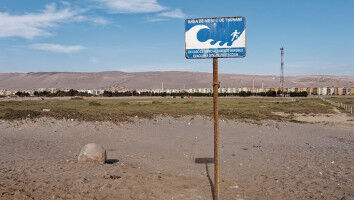
It has been a year since a 9.0 magnitude earthquake rocked the northeast coast of Japan on March 11, 2011, generating a tsunami that caused tremendous devastation. According to the U.S. National Oceanic and Atmospheric Administration, the highest wave was 38.9 metres in the Iwate Prefecture and, as of Sept. 30, 2011, there were 15,749 deaths reported and 3,962 were still missing nationwide. How does a society that has experienced such destruction and devastation rebuild? It's a question that André Sorensen, an associate professor of urban geography at the University of Toronto Scarborough and a research associate at U of T's Cities Centre, is exploring. "Japan has a long history of big disasters," said Sorensen, an expert on civil society, city planning and the history of urbanization in Japan. "It's a densely populated place that has severe earthquakes, typhoons, hurricanes and fires." Sorensen is currently working on a project that looks at the reconstruction and planning processes for the areas hardest hit by the tsunami. "I am most interested in the planning process," said Sorensen.