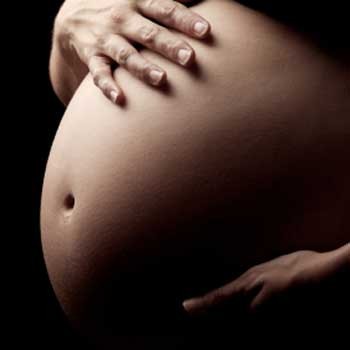
Pregnant mother.
Researchers at the UCL Institute of Child Health (ICH) are calling for the swift reintroduction of vitamin D supplements to pregnant women in the UK. In an article published online today by the British Journal of Nutrition (BJN), the authors argue that despite a growing body of evidence that links vitamin D deficiency to complications in pregnancy and poor neonatal health, the UK remains the only one of 31 European countries that doesn?t have a set vitamin D recommendation for women of reproductive age, while also failing to endorse a daily supplement to expectant mothers. Co-author Dr Elina Hyppönen, a reader in epidemiology and public health at the ICH, said: "The incidence of vitamin D deficiency in pregnant women in Britain is unacceptably high, especially during winter and spring. This is compounded by a lack of exposure to sunlight and the limitations of an average diet to meet the optimal need. ?In the most severe cases, maternal vitamin D deficiency can be life threatening to a newborn. We believe that the routine provision of a daily supplement throughout pregnancy would significantly decrease the number of mothers who are clearly vitamin D deficient, reducing related serious risks to their babies. ?Our take on vitamin D supplementation in the UK has seen many changes over the decades and we can see clearly from past experience that a proactive approach to supplementation has coincided with a much lower incidence of deficiency linked diseases such as infantile hypocalcaemia and rickets.' Current data for the UK shows that women are more likely to be vitamin D deficient than men (9.2 and 6.6 per cent respectively).
TO READ THIS ARTICLE, CREATE YOUR ACCOUNT
And extend your reading, free of charge and with no commitment.