Volcanic aerosol
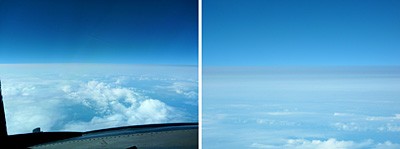
Smelling Grímsvötn While piloting a commercial transatlantic flight last year, Captain Klaus Sievers and his crew got a whiff of an unusual odour. In a confined space 10 km up in the air, there was only one thing it could be. The foul smell with traces of sulphur in the cockpit came from none other than the Grímsvötn volcano that was spewing gas and ash from southeast Iceland. Sulphur dioxide often indicates volcanic ash, and the presence of ash in the atmosphere can endanger jet engines. Timely information about ash, sulphur dioxide clouds and their dispersion are crucial to alert civil aviation authorities. Earth-observing satellites can provide this information. With frequent and worldwide measurements of ash plumes and sulphur dioxide emissions, satellites help to improve aviation safety.
TO READ THIS ARTICLE, CREATE YOUR ACCOUNT
And extend your reading, free of charge and with no commitment.