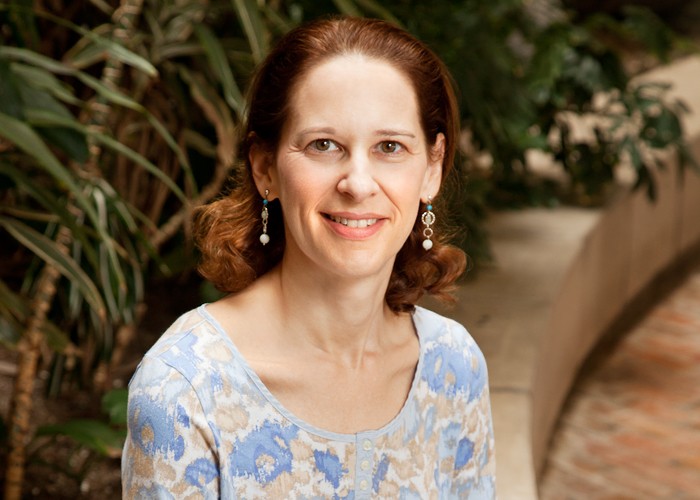
Understanding children’s social goals may lead to better interventions to change the dynamic between a bully and his or her targets, said psychology professor Karen Rudolph, who led a study of children who are bullied.
CHAMPAIGN, Ill. Many wonder why bullies bully, but a new study looks at the other side of the equation: How do children respond to bullying and why' The answer, researchers say, may lead to more effective interventions to reduce the negative consequences - and perhaps even the frequency ' of bullying. The study appears in the journal Child Development. "The main question we were interested in is how do children go about selecting strategies for dealing with harassment from their peers?" said University of Illinois psychology professor Karen Rudolph, who led the study. "And what we focused on was an understanding of the goals that kids develop in their social relationships." Consciously or not, children tend to adopt one of three approaches, she said. "Some are focused on developing their relationships. They want to improve their social skills.
TO READ THIS ARTICLE, CREATE YOUR ACCOUNT
And extend your reading, free of charge and with no commitment.