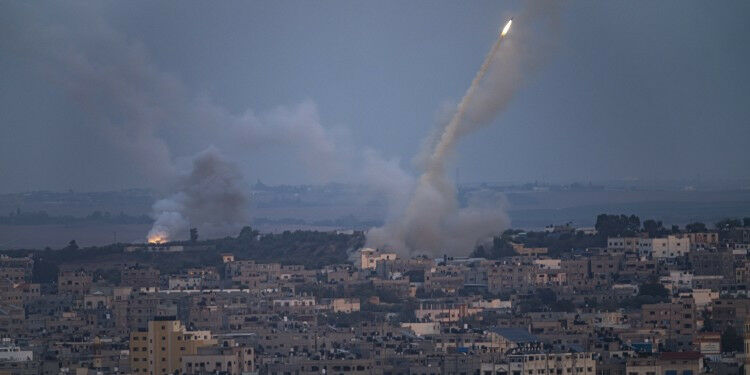
 Rockets fly from the Gaza Strip towards Israel.
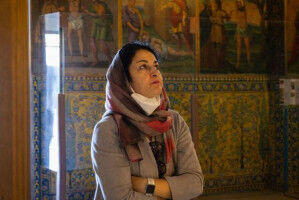
Katrin Kogman-Appel is currently in Israel - how she assesses the situation. Rockets fly from the Gaza Strip towards Israel. © picture alliance / ASSOCIATED PRESS | Fatima Shbair Since the radical Islamic Palestinian organization Hamas attacked Israel last weekend, the country has been under a state of emergency. In an interview with André Bednarz , Dr. Katrin Kogman-Appel , professor at the Institute for Jewish Studies at the University of Münster, describes the mood among the population and what the Islamist terror means for everyday life. She is currently staying near Jerusalem. In Jerusalem, Israelis and Palestinians live in close proximity to each other. How does that affect the current situation? I don't live directly in Jerusalem, but in a town about 20 kilometers to the southwest, and I can't judge that at the moment, because right now you only leave your house in special circumstances. You only go into the city if you have to. Contacts between Israelis and Palestinians only occur when normality prevails, for example in stores or at the workplace. Since the situation is not normal at the moment, there are few encounters. In addition, the Jewish population is on edge at the moment, and suspicion is high. According to the reports of what took place on Saturday in the kibbutzim and places around the Gaza Strip, noises at the door, the banging of a hammer or the like immediately make red lamps light up in the head. The question, however, is how the two groups will live together after this war. What is the general mood among the population?
TO READ THIS ARTICLE, CREATE YOUR ACCOUNT
And extend your reading, free of charge and with no commitment.
Your Benefits
- Access to all content
- Receive newsmails for news and jobs
- Post ads