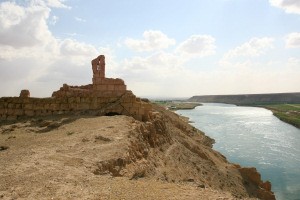
Zalabiyeh citadel excavated by Dr Loosely
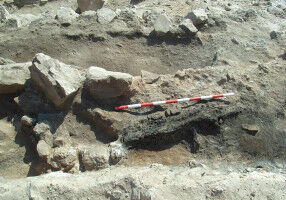
14 Oct 2011 - An archaeologist working in Syria has solved the mystery of why one of Islam's earliest fortresses dropped out of the historical record around 1,100 years ago. Senior Lecturer Emma Loosley from The University of Manchester was one of an international team of experts invited into the world-renowned Khanuqa Gap by the Syrian Department of Antiquities before its secrets - and 11,000 years of human history - may be lost to a controversial dam project. Loosley, who has been unable to return to Syria because of the current conflict, found that 1,100 years ago a fire raged through what was regarded as an impregnable fortress. Her work has also helped show that, contrary to popular understanding, the earliest Muslim expansion across the Middle East was largely peaceful and typified by coexistence with Christians. Like Jerusalem's Dome of the Rock, the citadel - called Zalabiyeh - was one of the first buildings to be inhabited by Muslims as they spread across the Syrian desert. It was constructed during the Byzantine Empire before being renovated under the Umayyad Dynasty during Islam's first period of expansion from Mecca in the early seventh century. The first of four Arab caliphates following the death of Muhammed, the Umayyad dynasty left Mecca to establish one of the largest empires the world had yet seen.
TO READ THIS ARTICLE, CREATE YOUR ACCOUNT
And extend your reading, free of charge and with no commitment.