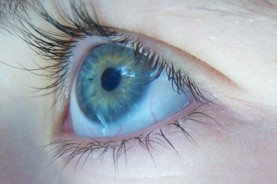
Photo by Eveinella /
Prospects for recovery of lost vision have brightened with the release of new scientific findings showing that the use of gentle near infra-red light can reverse damage caused by exposure to bright light, up to a month after treatment. Dr Krisztina Valter and doctoral researcher Rizalyn Albarracin of The Vision Centre and The Australian National University have successfully demonstrated recovery of vision cells in the retina following near infra-red treatment applied after damage was sustained. Their advance has raised hopes for the development of a practical, low-cost and painless treatment for damaged eyes - including for patients suffering from dry macular degeneration (dry AMD), now the most common cause of blindness in developed countries. The finding, made using an animal model, builds on the evidence the team has established showing that pre-treatment of eyes with near infra-red can help to minimise damage caused by bright light and enhance recovery. 'Macular degeneration is responsible for around a half of the cases of blindness in Australia. The dry form, for which there is still no cure, accounts for 80-90 per cent of cases,' said Dr Valter. 'Our research shows clear evidence of recovery of vision cells from light damage, a good model for what happens in dry AMD.' 'Given the very high costs of blindness to any economy, it is encouraging to know that there is a simple, affordable technology in prospect which could help to reduce it.' Ms Albarracin said that treating the retina with just a few minutes exposure to soft near-infra-red light a day for less than a week had produced a remarkable recovery in damaged photoreceptors (vision cells) which ordinarily would have died.
TO READ THIS ARTICLE, CREATE YOUR ACCOUNT
And extend your reading, free of charge and with no commitment.