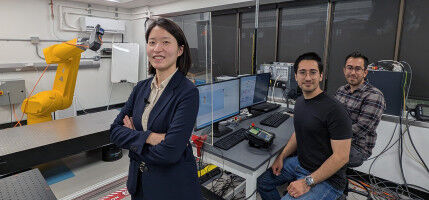
Engineers examine UV radiation’s effects on skin mechanics
Researchers in the Department of Materials Science and Engineering are using models derived in mechanical labs to look at how ultraviolet radiation changes the protective functions of human skin. Reinhold Dauskardt , professor of materials science and engineering at Stanford, has been studying skin for years. But when he sent his students to look for data on the mechanical properties of skin, they came back empty-handed. A lot was known about skin structure and disease, but few papers actually talked about its mechanical function - its ability to stretch and resist tension without tearing. "That motivated us to get more interested in the skin itself," said Dauskardt. He and his team, including doctoral student Krysta Biniek and postdoctoral researcher Kemal Levi, focused on the outmost layer of skin, the stratum corneum . It protects deeper layers from drying out or getting infected, and it's also our first line of defense against UV radiation.