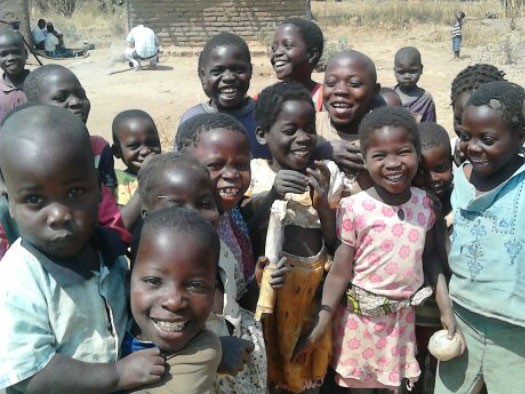
Credit: Carina King
Rotavirus vaccination reduced infant diarrhoea deaths by 34% in rural Malawi, a region with high levels of child deaths, according to a major new study led by UCL, the University of Liverpool, Johns Hopkins Bloomberg School of Public Health and partners in Malawi. The study, published in The Lancet Global Health, provides the first population-level evidence from a low-income country that rotavirus vaccination saves lives and adds considerable weight to the World Health Organisation's (WHO) recommendation for rotavirus vaccine to be included in all national immunisation programmes. "Rotavirus remains a leading cause of severe diarrhoea and death among infants and young children in many countries in Africa and Asia. Our findings strongly advocate for the incorporation of rotavirus vaccine into the childhood immunisation programmes of countries with high rates of diarrhoea deaths, and support continued use in such countries where a vaccine has been introduced," said Professor Nigel Cunliffe from the University of Liverpool's Centre for Global Vaccine Research. Rotavirus is the most common cause of diarrhoeal disease among infants and young children. Despite improvements in sanitation and case management, rotavirus still caused 215,000 child deaths in 2013, with 121,000 of these in Africa. With support from Gavi, the Vaccine Alliance, many countries in Africa with high death rates have added rotavirus vaccine to their routine immunisation programme over the past five years.
TO READ THIS ARTICLE, CREATE YOUR ACCOUNT
And extend your reading, free of charge and with no commitment.