Credit: Pexels / Kaique Rocha
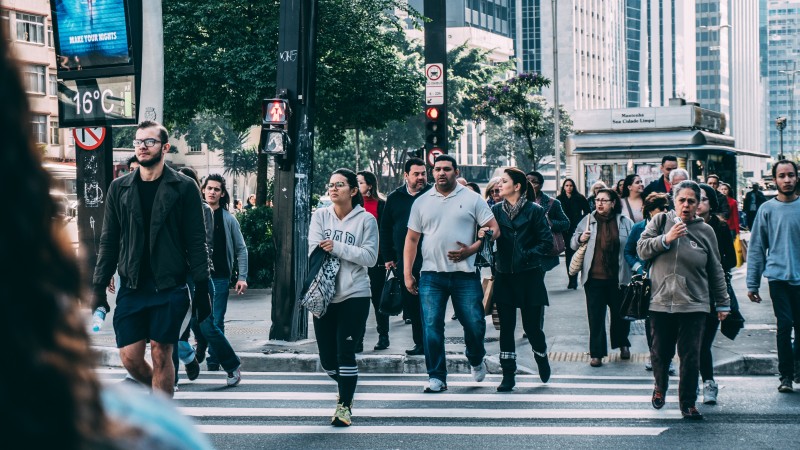
Digital traces from credit card and mobile phone usage can be used to map urban lifestyles and understand human mobility, according to a report led by UCL, MIT and UC Berkeley. Credit Card Records (CCRs) are currently used to measure similarities in purchasing activity, but for the first time researchers have used the data along with Call Detailed Records (CDRs) to understand the daily rhythms of human mobility and communication. Combining both reveals patterns in citizens' socio-economic behaviours. For the study, published today , researchers used anonymous and aggregated credit card data from a major city, with the results allowing them to group the urban population into six clusters. Older women dominated the 'Homemaker' cluster and tended to have the least expenditure and mobility, with their core transaction being grocery shops. The 'Commuters' cluster was mainly men who lived the farthest from the city centre. Young people can be split into two groups, with the younger having taxis as their core transaction.
TO READ THIS ARTICLE, CREATE YOUR ACCOUNT
And extend your reading, free of charge and with no commitment.