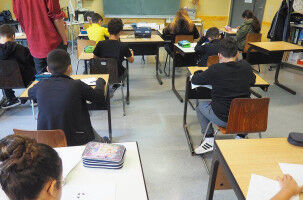
Over half of the refugees living in Bangladesh are under 18 years old. Photo credit: Helena Greter
Currently, around 910,000 Rohingya refugees live in Cox's Bazar District in Bangladesh after having fled violence faced in Myanmar, resulting in one of the most rapid exoduses in modern history. In a project funded by UNICEF and coordinated by Swiss TPH, a study was conducted to identify and understand WASH practices of the populations living in the camp. This study supports UNICEF in the design and development of targeted WASH interventions, contributing to improved living conditions in the refugee camp. One of the most rapid exoduses in modern history Since August 2017, Bangladesh has been facing new humanitarian challenges as Rohingya refugees have settled into the Cox's Bazar District in Bangladesh after fleeing violence faced in Myanmar's Rakine state. The arrival of around 700,000 Rohingya refugees joined the 212,000 people already residing in Bangladesh from previous waves of displacement, effectively forming the largest refugee camp in the world. The Rohingya are a Muslim ethnic group who have faced discrimination in Myanmar, a majority Buddhist country, for decades. The main reason for clashes and violent attacks between the Myanmar government and the Rohingya people is due to their religious differences and ethnic identities, which date back to the 1800s.
TO READ THIS ARTICLE, CREATE YOUR ACCOUNT
And extend your reading, free of charge and with no commitment.