To demonstrate that fine aerogel structures can be produced in 3D printing, the researchers printed a lotus flower made of aerogel. Image: Empa
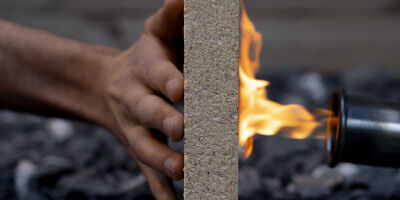
To demonstrate that fine aerogel structures can be produced in 3D printing, the researchers printed a lotus flower made of aerogel. Image: Empa - Aerogel is an excellent thermal insulator. So far, however, it has mainly been used on a large scale, for example in environmental technology, in physical experiments or in industrial catalysis. Empa researchers have now succeeded in making aerogels accessible to microelectronics and precision engineering: An article in the latest issue of the scientific journal "Nature" shows how 3D-printed parts made of silica aerogels and silica composite materials can be manufactured with high precision. This opens up numerous new application possibilities in the high-tech industry, for example in microelectronics, robotics, biotechnology and sensor technology. Behind the simple headline "Additive manufacturing of silica aerogels" - the article was published on July 20th in the renowned scientific journal "Nature" - a groundbreaking development is hidden. Silica aerogels are light, porous foams that provide excellent thermal insulation.
TO READ THIS ARTICLE, CREATE YOUR ACCOUNT
And extend your reading, free of charge and with no commitment.