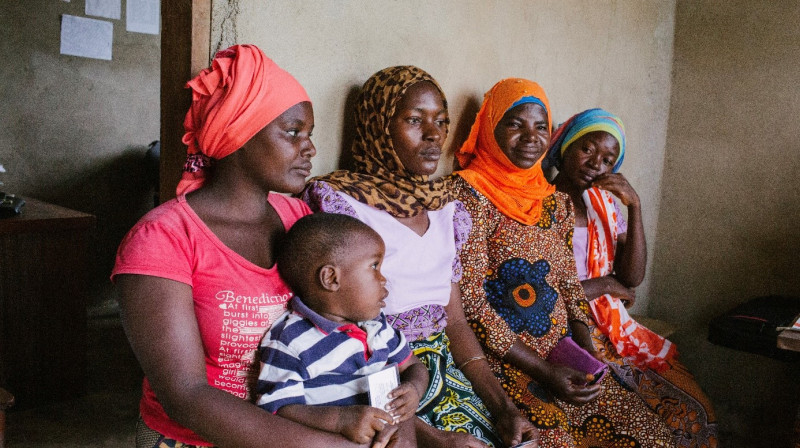
Iron infusions help reduce iron-deficiency anaemia in low-income settings. (Photo: Danielle Powell /Swiss TPH)
Iron infusions help reduce iron-deficiency anaemia in low-income settings. (Photo: Danielle Powell /Swiss TPH) - Iron-deficiency anaemia is a major concern in low-income settings, especially for women. In a new study by the Swiss Tropical and Public Health Institute (Swiss TPH) and partners published yesterday in The Lancet Global Health, researchers found that iron infusion was feasible, safe and in contrast to the standard iron-deficiency anaemia treatment of oral iron tablets, highly effective in Tanzania. This is the first study to provide evidence of the benefits and safety of iron infusion in a low-income setting. Over 1 billion people globally are affected by iron-deficiency anaemia. In sub-Saharan Africa, anaemia is a major public health concern with roughly 60% of the population suffering from anaemia. Around half of those cases are due to iron deficiency.
TO READ THIS ARTICLE, CREATE YOUR ACCOUNT
And extend your reading, free of charge and with no commitment.