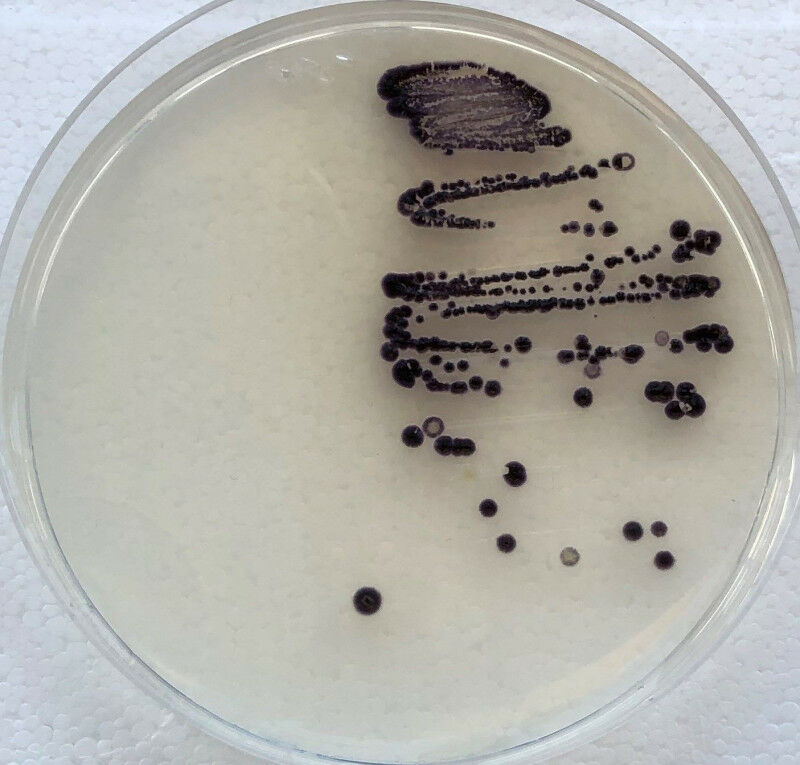
Projects have started at the University of Stuttgart as part of the priority program ’InterZell SPP 2170’ of the German Research Foundation (DFG) [Picture: University of Stuttgart/IMB]
Projects have started at the University of Stuttgart as part of the priority program 'InterZell SPP 2170' of the German Research Foundation (DFG) [ Picture: University of Stuttgart/IMB] - Multi-resistant germs can cause severe infections, particularly in people with a weakened immune system, and are difficult to treat with conventional antibiotics. Novel active substances with anti-infective and sometimes antibiotic effects such as violacein are promising candidates for a remedy, but it has so far been difficult to produce them in sufficient quantities. The DFG priority program "InterZell" (SPP 2170), in which renowned research institutions throughout Germany are working together, wants to raise the visibility of new innovations. As part of "InterZell", scientists from the University of Stuttgart are working on a novel, mixed-culture process to increase the production of violacein. The conventional production of antibiotics today mostly takes place in bioreactors based on monocultures. In nature, on the other hand, antibiotics serve as compounds that prevent the growth of competitors for the same substrate, so several strains are involved. Conventional production in monocultures, therefore, corresponds to stress conditions that are not beneficial to the growth of the producer strains.
TO READ THIS ARTICLE, CREATE YOUR ACCOUNT
And extend your reading, free of charge and with no commitment.