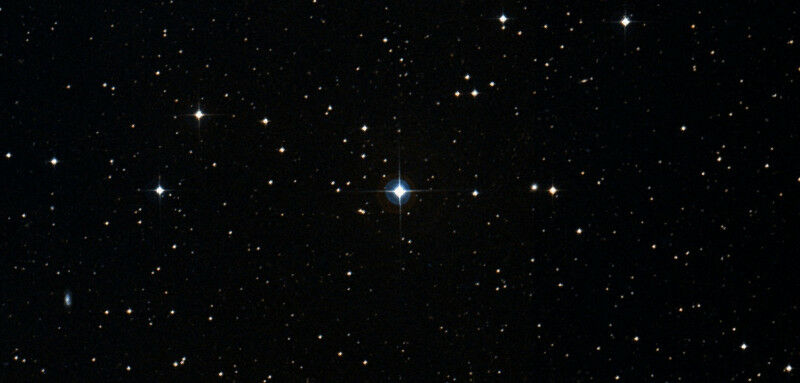
An image from the Digitized Sky Survey showing HS Hydrae in the center. Space Telescope Science Institute
An image from the Digitized Sky Survey showing HS Hydrae in the center. Space Telescope Science Institute The sun is the only star in our system. But many of the points of light in our night sky are not as lonely. By some estimates, more than three-quarters of all stars exist as binaries - with one companion - or in even more complex relationships. Stars in close quarters can have dramatic impacts on their neighbors. They can strip material from one another, merge or twist each other's movements through the cosmos. And sometimes those changes unfold over the course of a few generations.
TO READ THIS ARTICLE, CREATE YOUR ACCOUNT
And extend your reading, free of charge and with no commitment.