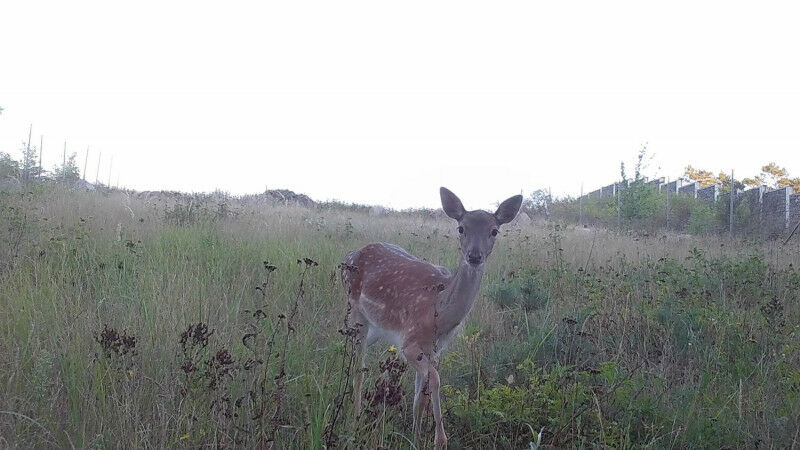
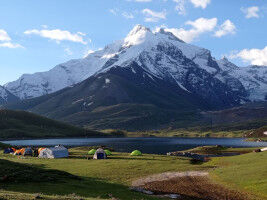
Human behaviours highly determine where wildlife may move and persist in a landscape, hence showing the importance of ’Anthropogenic Resistance’ in conservation planning. Photo: Conservation Biogeography, Humboldt-University Berlin
Human behaviours highly determine where wildlife may move and persist in a landscape, hence showing the importance of 'Anthropogenic Resistance' in conservation planning. Photo: Conservation Biogeography, Humboldt-University Berlin Research team with Göttingen University calls for -anthropogenic resistance- to be considered in conservation and sustainability planning For species to survive in the wild, maintaining connectivity between populations is critical. Without -wildlife corridors-, groups of animals are isolated, unable to breed and may die out. In assessing wildlife connectivity, many aspects of the landscape are measured, but the impact of human behaviour has largely been overlooked. Now, an international team led by the University of Göttingen and Humboldt University Berlin, introduce the concept of -anthropogenic resistance-, which should be studied to ensure sustainable landscapes for wildlife and people for the future. Their perspective article was published in the journal One Earth. Landscapes around the world are increasingly affected by rapid urbanization, deforestation and similar developments driven by human activity.
TO READ THIS ARTICLE, CREATE YOUR ACCOUNT
And extend your reading, free of charge and with no commitment.