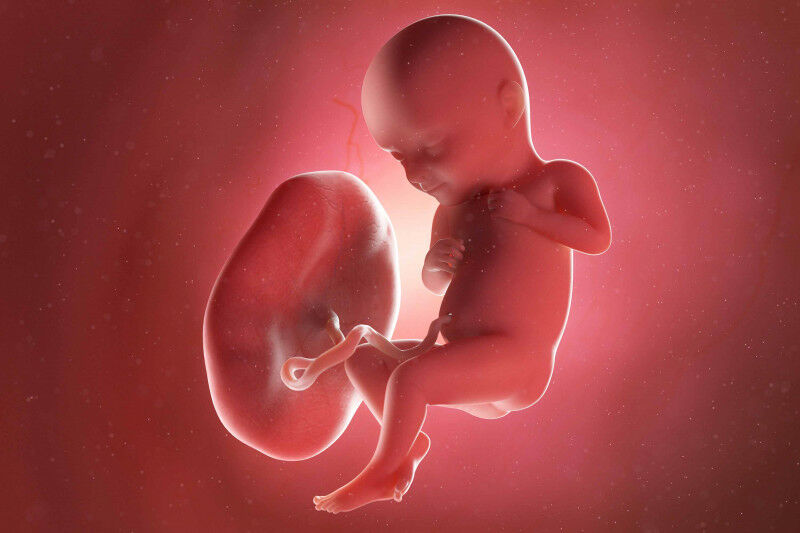
3D models of the placenta, an organ that develops during pregnancy, are best suited for investigating interactions between the mother and the fetus.
3D models of the placenta, an organ that develops during pregnancy, are best suited for investigating interactions between the mother and the fetus. Despite its crucial role in healthy pregnancies, the placenta is one of the least understood organs in the human body. In a new study, Margherita Yayoi Turco and her colleagues compared the two main experimental models of the human placenta. The findings suggest that 3D clusters of placental cells called trophoblast organoids are best suited for investigating interactions between the mother and the fetus, hormone secretion or pathogens that infect the fetus in the womb. Understanding such processes could reveal new clues to pregnancy complications. About four to five days after fertilization, the human embryo is a hollow ball of cells surrounding an inner cell mass. The inner cells grow into the fetus, while the outer layer of cells, called trophectoderm, gives rise to the trophoblast, the main cell type of the placenta.
TO READ THIS ARTICLE, CREATE YOUR ACCOUNT
And extend your reading, free of charge and with no commitment.