(Image: Pixabay CC0)
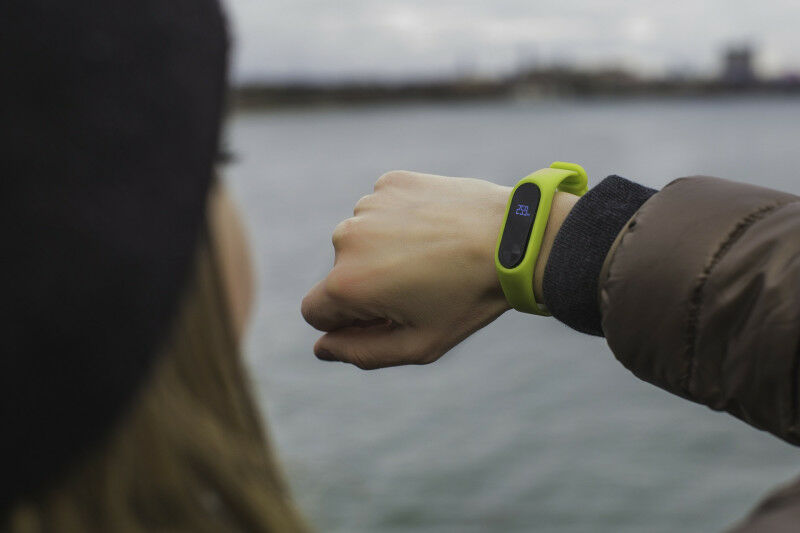
(Image: Pixabay CC0) Preparing for an online start to the winter term: for more information. Wearables can provide insight into patterns of health-related behaviour and disease symptoms Remote monitoring of health-related behaviour with wearable sensor technology is feasible for people with complex health conditions, shows a recent University of Waterloo study. "Information from wearables can provide insight into patterns of health-related behaviour and disease symptoms as they occur over days and weeks. This may be important for monitoring disease progression and the impact of therapeutics, supplementary to assessments conducted in the clinic," said Karen Van Ooteghem, a researcher in Kinesiology and Health Sciences at Waterloo. "Within our research program, we carry out work to validate novel outcomes derived from wearables for these purposes and develop avenues to relay this information to patients and clinicians." It was important for researchers to understand feasibility in participants' natural environments because behaviour in the lab or clinic may not reflect what occurs in day-to-day living, Van Ooteghem said. The researchers recruited 39 participants with cerebrovascular or neurodegenerative diseases to wear up to five devices on their ankles, wrists and chest continuously for seven days at home and in the community following a clinic visit. For people living with complex health conditions, there are advantages to using multiple sensors to capture specific behaviours and symptoms - for example, upper versus lower limb impairment.
TO READ THIS ARTICLE, CREATE YOUR ACCOUNT
And extend your reading, free of charge and with no commitment.