(Photo credit: Anna Shvets/Pexels)
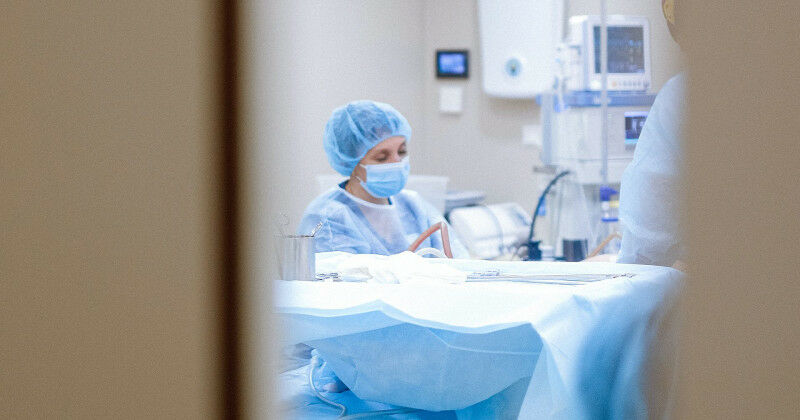
(Photo credit: Anna Shvets/Pexels) - Never before in the history of modern medicine has the world experienced a shutdown of elective surgical systems as was experienced during the COVID-19 pandemic, says Western University researcher Janet Martin. An expert in global access to safe surgery, Martin and a team of experts from around the world have published a study in The Lancet that aims to help to improve resilience of hospitals against future surgical cancellations and backlogs worldwide. Researchers developed and tested a new tool to help hospitals better prepare for "system stressors" that threaten surgical system performance and jeopardize planned procedures. Janet Martin, professor in the department of anesthesia and perioperative medicine at Schulich Medicine & Dentistry "The toolkit allows hospitals to take a systematic inventory of their staff, space, systems and supports in order to mitigate shocks such as epidemics, pandemics, natural disasters, and sudden supply chain interruptions," said Martin, a professor in the department of anaesthesia and perioperative medicine at Western's Schulich School of Medicine & Dentistry. "This can be used as a metric of their preparedness to maintain resilient surgical services." The 'Surgical Preparedness Index' (SPI) assesses the extent to which hospitals around the world were able to continue elective surgery during the pandemic. Researchers identified different features of hospitals that made them more or less prepared for times of increased pressure.
TO READ THIS ARTICLE, CREATE YOUR ACCOUNT
And extend your reading, free of charge and with no commitment.