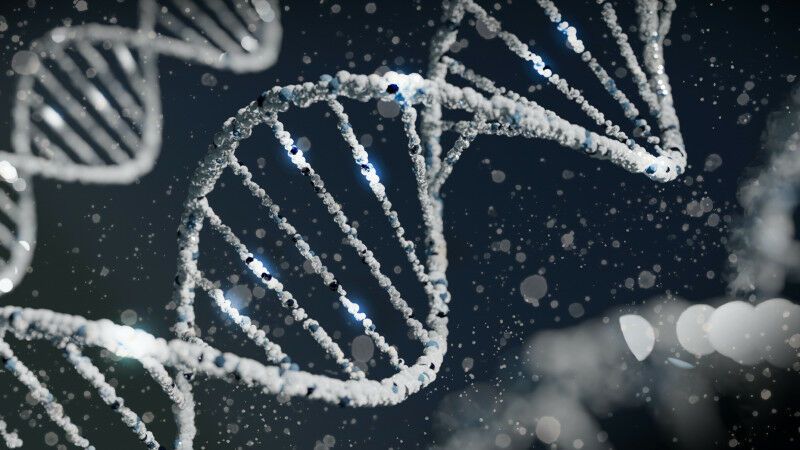
(© Image: Unsplash) - Researchers at UCL and Great Ormond Street Hospital for Children (GOSH) have engineered donor T-cells to try and treat seriously ill children with resistant leukaemia, who had otherwise exhausted all available therapies. The Phase I trial, published in Science Translational Medicine, is the first use of "universal" CRISPR-edited cells in humans and represents a significant step forward in the use of gene-edited cells for cancer treatment. The researchers, led by Professor Waseem Qasim (UCL Great Ormond Street Institute of Child Health & Consultant Immunologist at GOSH) used a technique known as CRISPR/Cas9, which makes a cut in the cells' DNA and inserts a new genetic code. In this case, the genetic code allows the T-cells to express a receptor - called a chimeric antigen reception (CAR) - that can recognise a marker on the surface of cancerous B-cells and then destroy them. The T-cells were then gene edited further so that they could be used "of the shelf" without any donor matching needed. Lead author, Professor Qasim, said: "This kind of unresponsive leukaemia is thankfully very rare, but we are pleased to be able to bring new therapies into play for some of the most difficult to treat childhood leukaemias, especially when all other options have been exhausted. "Whilst there are challenges to overcome, this study is a promising demonstration of how emerging genome-editing technologies can be used to tackle unmet health needs in some of the sickest children we see." The study builds on previous work from Professor Qasim's team that used older technology.
TO READ THIS ARTICLE, CREATE YOUR ACCOUNT
And extend your reading, free of charge and with no commitment.
Your Benefits
- Access to all content
- Receive newsmails for news and jobs
- Post ads