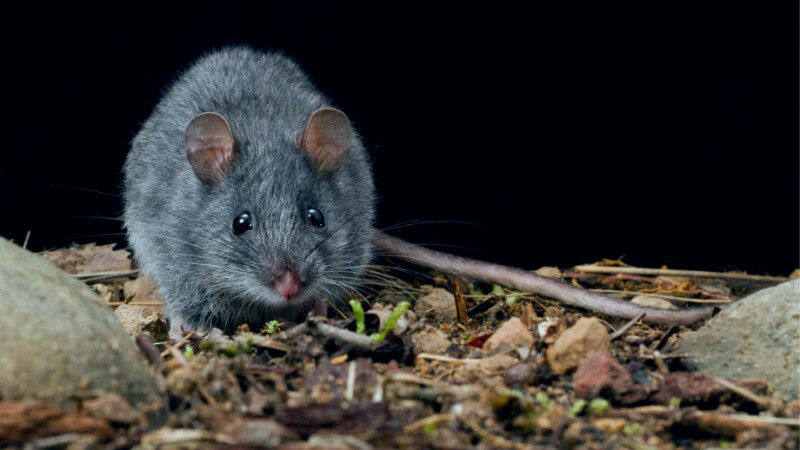
A smoky mouse (Pseudomys fumeus) in the Grampians-Gariwerd National Park. Photo: David Paul/Museums Australia
A smoky mouse (Pseudomys fumeus) in the Grampians-Gariwerd National Park. Photo: David Paul/Museums Australia - New research from The Australian National University (ANU) has mapped the DNA from more than 150 species of native rodents from across Australia, New Guinea and Melanesian islands, painting a clearer picture of how they're related and how they ended up spreading across the Pacific. Lead author Dr Emily Roycroft said native rodents are a fascinating but often under-appreciated evolutionary group. "There are over 150 species in Australia and New Guinea that aren't found anywhere else in the world, like the rakali - or 'water rat' - that's often seen swimming around Canberra's lakes," Dr Roycroft said. "Until now, we've known very little about the evolution and origin of native rodents, especially species in New Guinea." The team used a new approach to get DNA from museum specimens up to 180 years old, including many extinct and elusive species. "One specimen of Guadalcanal rat from the Solomon Islands dates back to the 1880s, and the species hasn't been seen since. It's listed as critically endangered, and very possibly already extinct.
TO READ THIS ARTICLE, CREATE YOUR ACCOUNT
And extend your reading, free of charge and with no commitment.