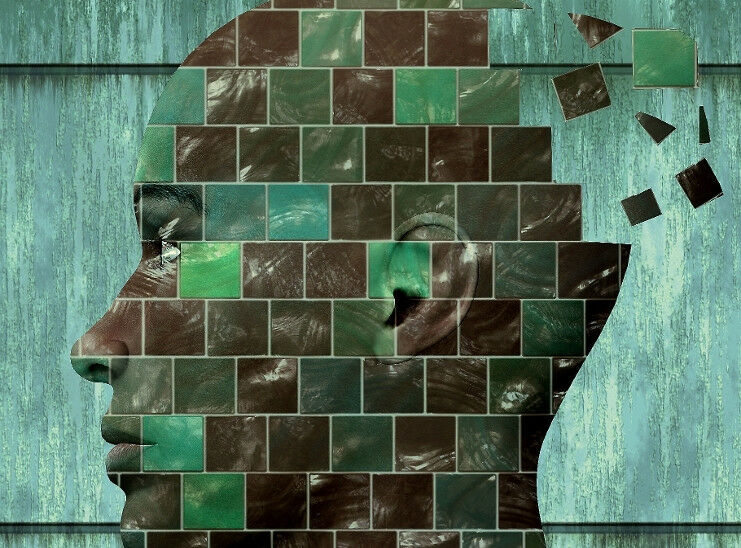
Image: Pxhere
Image: Pxhere - Every moment of our awake lives, images fall onto our eyes and go through a series of processing steps in the brain to inform us about what is going on in the world. A team of researchers led by the University of Amsterdam's Swammerdam Institute for Life Sciences finds that the time the brain needs to make a visual decision not only depends on the properties of the images being processed, but also on whether there are also relevant sounds or touches. Their work is now published. After images from the outside world reach our eyes, signals cascade through the visual system. Neurons across different brain areas recombine the signals to form a representation that is then used to understand the world and react to it. The primary visual cortex is the first stage in the cerebral cortex where visual information is processed. Previously, our understanding has been that this process is mainly determined by the complexity of the visual scene that needs to be processed.
TO READ THIS ARTICLE, CREATE YOUR ACCOUNT
And extend your reading, free of charge and with no commitment.