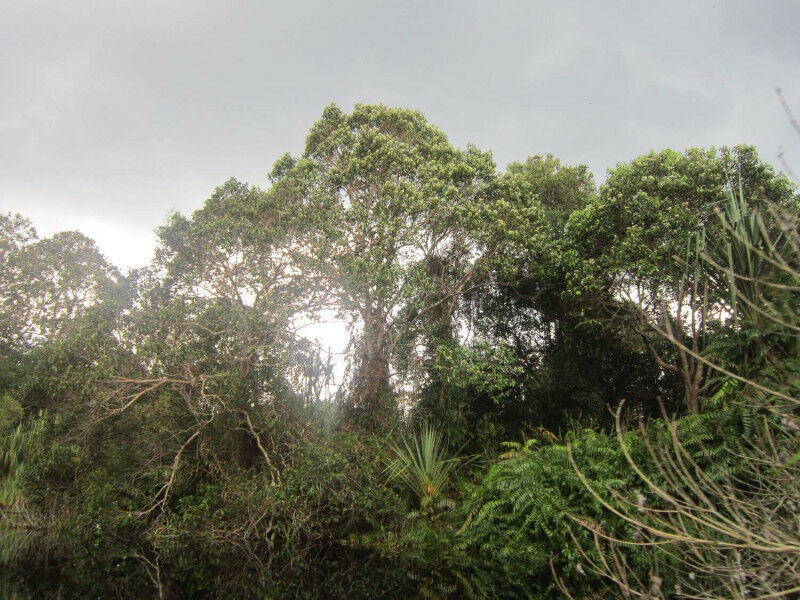
A glimpse through a pristine peat swamp forest in the Kampar Peninsula, Sumatra Photo: A. Hapsari
A glimpse through a pristine peat swamp forest in the Kampar Peninsula, Sumatra Photo: A. Hapsari Researchers investigate development of coastal peatland in Indonesia over thousands of years Tropical peatlands are one of the most efficient carbon sinks. The flipside is that they can become massive emitters of carbon if they are damaged, for instance by land use change, degradation or fire. This can lead to faster climate warming. In research led by the University of Göttingen, researchers show how peatland in the coastal areas in Sumatra and Borneo in Indonesia developed over thousands of years and how climate and sea level influenced their dynamics throughout. The results were published in Global Change Biology. To discover more about the environment over the past 17,000 years, researchers analysed two peat cores, each over eight meters long. They carried out analyses for traces of pollen, spores and charcoal, as well as conducting carbon dating and biogeochemical investigations.
TO READ THIS ARTICLE, CREATE YOUR ACCOUNT
And extend your reading, free of charge and with no commitment.