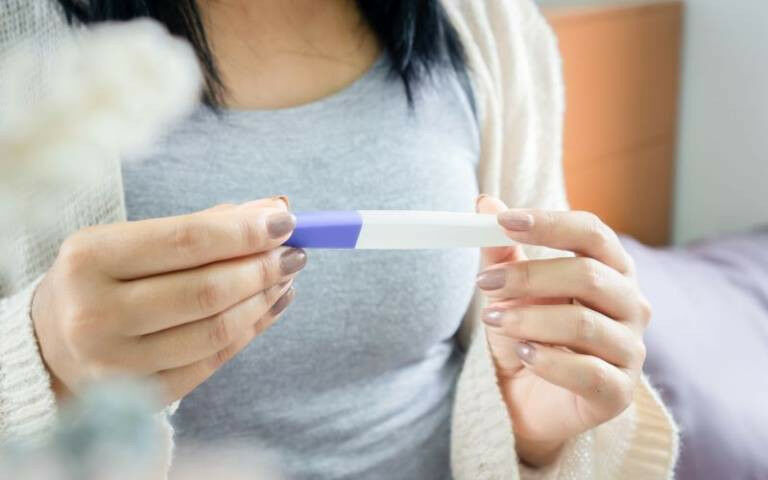
Pregnancy test
Pregnancy test - Women's reproductive needs should be considered holistically by considering pregnancy prevention and pregnancy preparation at the same time, finds a new study led by UCL researchers. The research, published in The Lancet Public Health , brought together a variety of different types of evidence - including previous studies, new data on women's preferences, and case studies of existing practice across the globe - to develop a model, which could be used to help design services in a way that better meets the needs of women and their partners. Researchers found that, currently, health services only view women to either be pregnant or not pregnant, and do not consider their health in the in-between stage - before trying to conceive. This can have an important influence on both their chances of becoming pregnant and of having a healthy pregnancy as well as affect their own health in the short and long term. As 90% of women of reproductive age have at least one modifiable risk factor affecting pregnancy (such as a low or high BMI), the health of women before they become pregnant is an important factor in maternal deaths and a contributor to the inequalities seen in the rates of maternal deaths in marginalised groups. Alongside health services, the team found that educational settings and social media could also be more supportive in helping people to consider their reproductive preferences. As a result, they are calling for societal-wide efforts to help bring together family planning, contraception, and preconception care.
TO READ THIS ARTICLE, CREATE YOUR ACCOUNT
And extend your reading, free of charge and with no commitment.