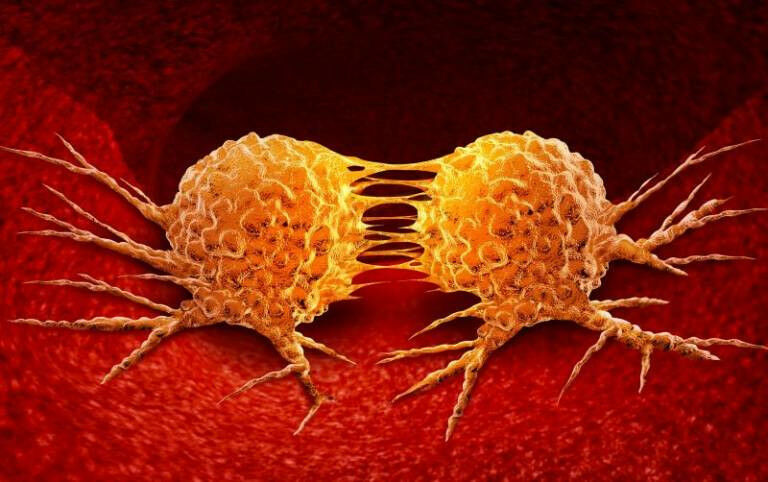
metastatic cancer
metastatic cancer - Scientists at UCL and the Francis Crick Institute have uncovered early genetic clues that could indicate where and when cancer cells might spread next. The research, which is funded by Cancer Research UK and published across seven papers in Nature and Nature Medicine , could pave the way for doctors to use blood tests to predict cancer's future, monitor it in real-time and adapt treatments accordingly. It also offers the possibility of clinicians being able to analyse the disease's risk of returning following surgery. The discoveries were made through the TRACERx study, which analysed the tumours of 421 patients with non-small cell lung cancer - the most common form of the disease - from when they were diagnosed to monitor how the tumours changed over time. In the papers, the researchers describe how changes to cancer cells' DNA are enabling them to anticipate how those cells will behave in the future. This includes where and when cancer will spread to other parts of the body in a process known as metastasis, which is responsible for most cancer deaths worldwide. While the research was carried out on patients with lung cancer, the findings can be applied to other cancer types, such as skin cancer or kidney cancer.
TO READ THIS ARTICLE, CREATE YOUR ACCOUNT
And extend your reading, free of charge and with no commitment.