Bild: MedUni Wien
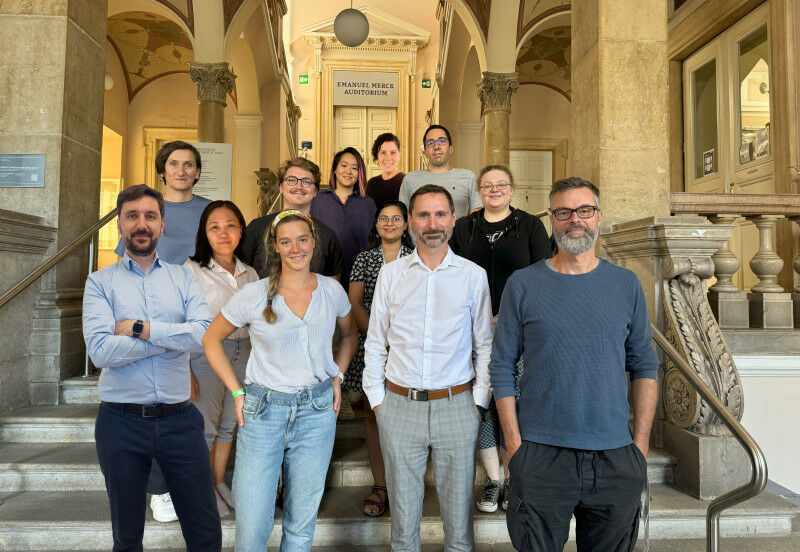
Bild: MedUni Wien - A research team from MedUni Vienna and the FWF-sponsored Special Research Area SFB F83 Immunometabolism has now demonstrated for the first time the central role of macrophages in the renewal of intestinal cells, which sheds light on the complex interplay between immune cells and tissue regeneration. In particular, it could be described that macrophages produce the metabolites spermidine and spermine in high amounts, which then benefit the other tissue cells in the organ. As a result, the tissue cells no longer need to produce these substances themselves and are better able to perform their proper functions. This first description of a "commensal metabolism" of macrophages was recently published in the journal "Cell Metabolism". The intestine, which is responsible for digesting food and absorbing nutrients, relies on a single layer of epithelial cells (surface cells) to maintain the integrity of the intestinal barrier. These cells are completely renewed every four to seven days. This process is critical to protecting the body from microbial threats, maintaining intestinal function, and preventing diseases such as inflammatory bowel disease and colon cancer.
TO READ THIS ARTICLE, CREATE YOUR ACCOUNT
And extend your reading, free of charge and with no commitment.