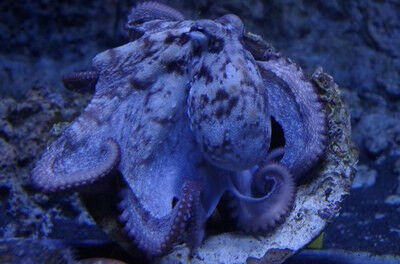
(c) Antonio, Valerio Cirillo (BEOM SZN), 2023
(c) Antonio, Valerio Cirillo (BEOM SZN), 2023 - Octopuses are fascinating animals - and serve as important model organisms in neuroscience, cognition research and developmental biology. To gain a deeper understanding of their biology and evolutionary history, validated data on the composition of their genome is needed, which has been lacking until now. Scientists from the University of Vienna together with an international research team have now been able to close this gap and, in a study, determined impressive figures: 2.8 billion base pairs - organized in 30 chromosomes. What sounds so simple is the result of complex, computer-assisted genome analyses and comparisons with the genomes of other cephalopod species. This groundbreaking research has just been published in the renowned journal G3: Genes / Genomes / Genetics . Octopuses, together with squid and cuttlefish, belong to a group of coleoid cephalopods consisting of several hundreds of species that are characterized by highly diversified lifestyles, body structure and adaptations to their environment. The study of these animals looks back on a long tradition, especially since the neuronal plasticity of the octopus brain - meaning the brain's ability to change and adapt as you learn and experience new things - provides evidence for the existence of functionally analogous structures to the brains of mammals.
TO READ THIS ARTICLE, CREATE YOUR ACCOUNT
And extend your reading, free of charge and with no commitment.