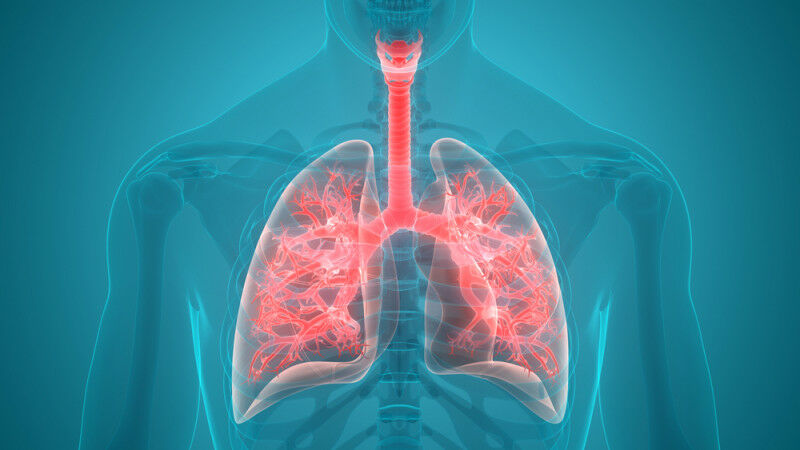
(© Image: Depositphotos) - A recent study sheds light on why a proven treatment for lung cancer sometimes fails to work after a certain period of time. These new insights into changes in the immune system could make it possible to treat more patients with existing, highly effective drug therapies . Lung cancer is one of the leading causes of cancer-related death. Its treatment has developed rapidly over the last twenty years, thanks in particular to immune checkpoint inhibitor (ICI) therapy, which has improved overall survival. These drugs block checkpoint signals, enabling the body's own immune cells to fight cancer cells more effectively. However, more than half of patients develop resistance to this treatment after the initial response, and there are few therapeutic alternatives. What hinders immune cell defense.
TO READ THIS ARTICLE, CREATE YOUR ACCOUNT
And extend your reading, free of charge and with no commitment.
Your Benefits
- Access to all content
- Receive newsmails for news and jobs
- Post ads


