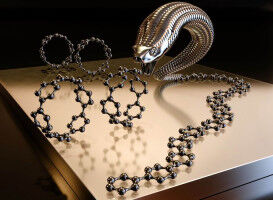
Putting an End to Plastic Separation Anxiety
Key Takeaways. The biology-driven process requires no fancy equipment and yields molecules of a biodegradable plastic alternative that can be made into new commodity products. Initial tests indicate that the process could be successfully applied to real-world plastic streams. In the future, the microbes used to convert the plastic intermediates could also produce other valuable products, enabling a new field of biomanufacturing fed by waste. Bio-based plastics such as polylactic acid (PLA) were invented to help solve the plastic waste crisis, but they often end up making waste management more challenging. Because these materials look and feel so similar to conventional, petroleum-based plastics, many products end up not in composters, where they break down as designed, but instead get added to the recycling stream by well-intentioned consumers. There, the products get shredded and melted down with the recyclable plastics, bringing down the quality of the mixture and making it harder to manufacture functional products out of recycled plastic resin.