(Image: Pixabay CC0)
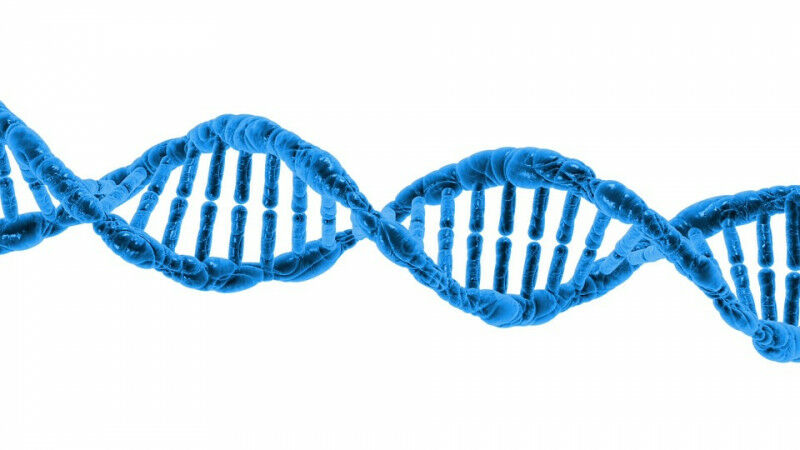
(Image: Pixabay CC0) Scientists from Würzburg and Braunschweig have developed a new approach that enables more efficient processing of bacterial genomes . The ability to genetically modify bacteria is key to exploring the microbial world. Genome editing - the editing of genetic material such as DNA - is essential for developing new antibiotics and using bacteria as miniature factories for the sustainable production of chemicals, materials and therapeutics. Tools based on the CRISPR gene scissors have proven helpful in this regard, as they enable various bacteria to be modified quickly, easily and reliably. The underlying technology requires a CRISPR ribonucleic acid (crRNA) that serves as a "guide RNA". It helps target specific regions of a genome for targeted DNA cleavage. Proteins involved in homologous recombination - a natural process of exchanging genetic material between chromosomes - then insert the designed "repair template" to create an edited sequence of the DNA strand.
TO READ THIS ARTICLE, CREATE YOUR ACCOUNT
And extend your reading, free of charge and with no commitment.