Göttingen research team analyzes time patterns in the songs of forest birds with the help of AI
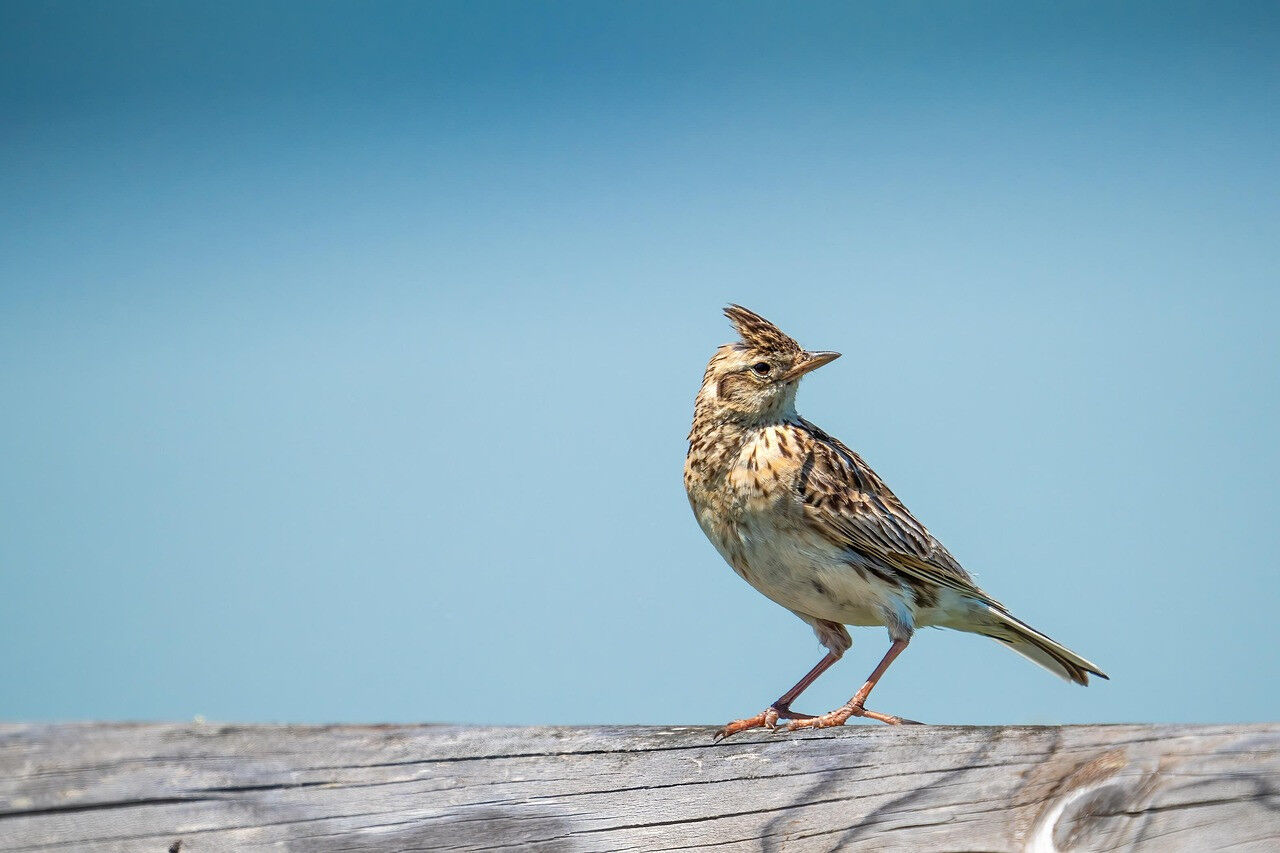
Experience has shown that anyone who wants to fully enjoy birdsong in the forests of Central Europe or carry out scientific bird counts has to get up very early. Data-based findings on the diurnal and seasonal variation in song activity have so far only been available for a few bird species, as the necessary observations are time-consuming. A research team from the University of Göttingen and the Northwest German Forest Research Institute has now used artificial intelligence to analyze the singing and calling activity of 53 European forest bird species during a breeding season for the first time. They were able to show that singing activity varies more than previously assumed
The researchers collected data at 256 locations in forests in Lower Saxony. Using automatic recording devices, they recorded bird calls for 30 seconds every 10 minutes around the clock from March to May. An AI then identified the bird species based on their calls and songs. The researchers checked the AI’s suggestions to ensure that only reliable species records were included in the analysis
The high-resolution temporal analysis of a total of 6.4 million recorded vocalizations revealed that the forest bird species have individual activity patterns. "Our data show that there are far more activity types than ’larks’ and ’owls’ among woodland bird species," explains David Singer, first author. "In addition to a large group of diurnal species, some species such as the blackbird or woodcock were active at dusk and could therefore be heard twice a day. The blackbird was also heard much more frequently in the evening hours than in the morning hours, which has hardly been taken into account in bird counts to date. There were also subgroups within the group of diurnal species. While many tit species or the black woodpecker had their peak of activity in early spring and were heard much less frequently from the end of April, species such as the dunnock or the wren only started to become active in April. Nocturnal species formed a separate group, as did migratory birds, which do not arrive in Central Europe until May
In a further step, the researchers compared their results with the previous methodological recommendations for recording breeding birds. They were able to show that the recommended recording periods for many species often do not coincide with the phases of strongest song activity. For example, it was previously assumed that great spotted woodpeckers were easily detectable throughout the morning. According to the current acoustic data, however, the species is much less likely to be heard from around two hours after sunrise than shortly after sunrise. For other typical forest bird species such as the blue tit or the chiffchaff, on the other hand, it was shown that singing activity was high even beyond the recommended recording period in the morning hours, meaning that these species can still be reliably counted later in the day
"By combining traditional bird counts with the new acoustic methods, we can significantly improve bird surveys," says Göttingen forest ecologist Andreas Schuldt, who co-supervised the work. species with short activity peaks in particular benefit from the new method. For example, the gray and lesser spotted woodpeckers, which can only be heard in a very short time window, can be recorded particularly well with the new method, while ornithologists are only lucky to observe these species
In cooperation with the German Avifaunist Association (DDA), the results of the study have already been incorporated into the latest edition of the book "Methodenstandards zur Erfassung der Brutvögel Deutschlands" (Methodological standards for recording Germany’s breeding birds), so that bird counts can be better planned in future. A comparable evaluation for bird species in the agricultural landscape will be possible as part of ongoing research projects
The study is part of the biodiversity monitoring of the Northwest German Forest Research Institute in cooperation with the Forest Conservation and Conservation Biology departments of the University of Göttingen. Information on the project can be found on the Internet at www.nw-fva.de/wir/aktuelles/pm-biodiversitaetsmonitoring
Original publication: David Singer, Johannes Kamp, Hermann Hondong, Andreas Schuldt, Jonas Hagge. Diel and seasonal vocal activity patterns revealed by passive acoustic monitoring suggest expert recommendations for breeding bird surveys need adjustment. Journal of Ornithology (2025). http://dx. doi.org/10.1007/s10336-025-02307-y
Andreas Schuldt