Anthropologists help bring Western health care to the world
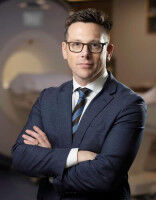
UCLA plastic and reconstructive surgeon Reza Jarrahy realized that he was missing something when his young Guatemalan patient developed a mysterious infection after undergoing surgery. That puzzled the surgeon, who travels Guatemala twice a year to do pro bono surgery on people from indigenous communities. "I knew these people were destitute, uneducated and medically unsophisticated, but I didn't appreciate the deeper social context in which they were living and how that influenced surgical outcomes," said Dr. Jarrahy. High above a village of shanties in Guatemala, plastic and reconstructive surgeon Dr. Reza Jarrahy hauls concrete bricks to make stoves to replace wood-burning ones that spread soot in people's homes. The realization that caring for indigenous people in parts of the world like Latin America requires more than just medical knowledge and skills has brought physicians and public health experts together with anthropologists and others from across the campus to learn from each other under the auspices of the UCLA Latin American Institute. Funded by a Title VI grant from the U.S. Department of Education as well as a grant from the UCLA Clinical and Translational Science Institute, this UCLA working group, led by Jarrahy, a board-certified plastic surgeon specializing in pediatric plastic surgery and craniofacial surgery, and Bonnie Taub, a medical anthropologist who teaches anthropology as well as public health, met recently for the first of a series of three symposia hosted by the institute to discuss how Westernized health care can intersect with traditional healing practices and beliefs.