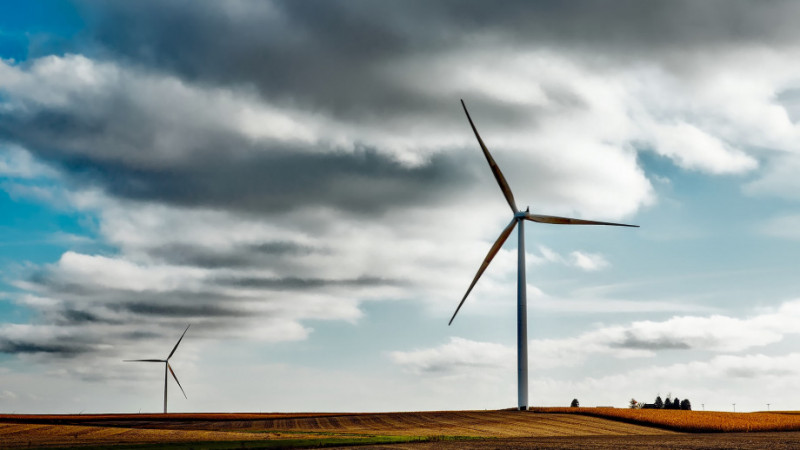
Image: Pixabay
Image: Pixabay - Australia continues to lead the world in the per capita roll out of energy generated by solar and wind, resulting in lower greenhouse gas emissions and falling electricity prices, according to a new analysis from The Australian National University (ANU). Data released by the Clean Energy Regulator today shows Australia will add around 6.3GW of renewable energy capacity in 2020. "This brings the total to 18 Gigawatts over 2018-20," the paper's co-author Professor Andrew Blakers said. For comparison, this much new solar and wind will generate twice as much electricity as gas power stations currently generate in the National Electricity Market. "However, while it's good news, we urgently need more investment to remove bottlenecks in deployment of further renewables. "An effective way to do this is to upgrade transmission lines from rural Renewable Energy Zones , such as those recently announced in NSW and Queensland, to our cities. "While governments have been slow to act on transmission, if the Federal and state governments make determined efforts to rapidly resolve these bottlenecks, we can get ahead of the solar and wind construction curve instead of lagging behind it." Boosting renewable energy deployment has resulted in lower wholesale electricity prices, and lower greenhouse gas emissions in the electricity sector, according to co-author and ANU Energy Change Institute Director Professor Ken Baldwin. For example, South Australia has more than half (53 per cent) of its electricity supplied by solar and wind, compared with 14 per cent in Queensland.
TO READ THIS ARTICLE, CREATE YOUR ACCOUNT
And extend your reading, free of charge and with no commitment.