Artificial intelligence (AI) is already changing clinical research, diagnostics and therapy - for example through large language models and deep learning analysis of big "omics" data for AI-supported diagnostics. Diseases such as cancer, diabetes and dementia are among the biggest health challenges worldwide - with far-reaching social and economic consequences. Prevention, early diagnosis and effective therapies are therefore key objectives of modern health research.
Innosuisse’s 2024 flagship call for proposals focuses on the key topic of "Artificial intelligence in life sciences with a focus on human health". The aim is to promote interdisciplinary innovations that bring measurable benefits for patients, healthcare systems and the economy - with the potential for systemic change. Funding is provided for technologically as well as socially, legally and ethically viable solutions that strengthen Switzerland’s international competitiveness.
Innovation potential in Bern as a medical location
Of the 24 project outlines submitted, a total of four projects will be funded with 24.6 million Swiss francs. Researchers from the University of Bern, Inselspital, Bern University Hospital and Bern University Psychiatric Services are involved in all four projects. "We are delighted that the medical hub is playing a central role in so many forward-looking projects," says Hugues Abriel, Vice-Rector Research and Innovation at the University of Bern. "These initiatives illustrate the enormous potential of our researchers to achieve significant progress in health research through interdisciplinary collaboration," adds Abriel.University of Bern as a pioneer for innovation in the field of dementia
The University of Bern is the leading house for the Innosuisse Flagship Initiative "SwissBrAInHealth" under the co-leadership of Bogdan Draganski from the Department of Neurology - Brain Health Clinic at Inselspital, Bern University Hospital Tobias Nef, from the ARTORG Center for Biomedical Engineering Research at the University of Bern.Forecasts point to a doubling to tripling of dementia cases in Switzerland by 2050, which could result in an estimated 25.4 billion Swiss francs per year in healthcare costs. "Meta-analyses show that almost 50% of the risk of developing dementia depends on lifestyle factors, such as cardiovascular fitness, exercise and social activities. Efficient and cost-saving strategies are urgently needed to improve the prevention of dementia," explains Draganski. "Reducing the risk by 20% in a third of people at risk would lead to annual savings of 750 million Swiss francs," says Draganski.
This is where "SwissBrAInHealth" comes in: The initiative aims to develop and evaluate a so-called "Augmented intelligence system" to individually reduce the risk of dementia in people with subjective cognitive complaints: this includes, for example, digital biomarkers for brain health, an AI system to support diagnostics and a therapy app for individualized risk modification through behavioral changes. These innovations should enable early detection and delay the onset of dementia through targeted prevention. "The project makes an important contribution to the implementation of the Swiss Brain Health Plan (SBHP) launched in 2023. By developing practical tools, it supports the individualized and evidence-based prevention of dementia, one of the five strategic priorities of the SBHP," explains Claudio Bassetti, Chair of the Swiss Brain Health Plan and Dean of the Faculty of Medicine at the University of Bern and Director of Teaching and Research at Insel Gruppe.
Promoting digital health literacy
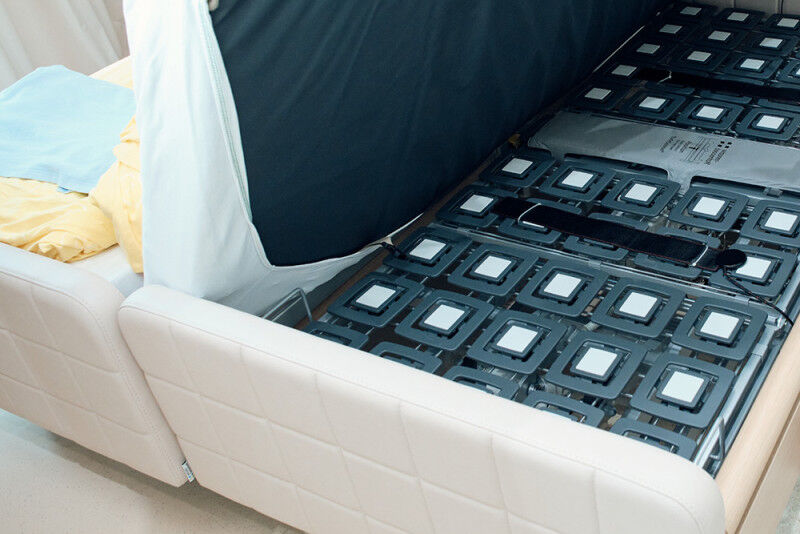
"The augmented intelligence system complements human expertise with AI capabilities by combining clinical assessment with continuous lifestyle assessment via digital biomarkers based on smartwatches, bed sensors or shoe sensors," says Tobias Nef. He adds: "Swiss BrAIn Health offers a model for early, individualized interventions that focuses on inclusivity and ethical innovation. Digital treatments support patients in carrying out therapy in accordance with the instructions and recommendations of medical staff and enable continuous monitoring and care outside the hospital."The validation of the clinical benefits will be carried out in the Brain Health Clinic at Inselspital and will form the basis for future Brain Health Centers. "By promoting digital health literacy and the affordability of brain health resources,