Birmingham archaeologists help uncover identity of First World War soldier
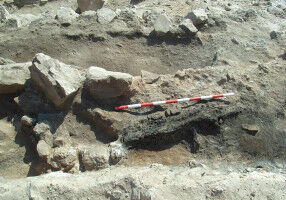
An Anzac soldier killed in the First World War is to be reburied with his fallen comrades almost a century after he died on a Belgian battlefield, after archaeologists from the University of Birmingham helped to identify his remains. Kirsty Nichol, of Birmingham Archaeology and member of the University's Centre for Great War Studies and No Man's Land - The European Group for Great War Archaeology), was part of the team that, in August 2008, recovered the body of an unknown Australian soldier missing since the Battle of Messines at St Yvon, on June 8, 1917. Painstaking detective work by academic colleagues in the group, professional partners and the Australian Army since then has led to his identity: 1983 Private Alan James Mather. The soldier will be formally buried by the Australian Army on July 22nd at Prowse Point Commonwealth War Graves Cemetery. His name will be removed from the panel at the Menin Gate in due course. Pte Mather's remains were discovered when archaeologists were working on the Plugstreet Project, which is currently investigating a section of the Belgian battlefields of the First World War. Items alongside him, such as rifle, ammunition, Corps badges and the contents of his pockets and haversack, and a corroded identification disc were also recovered.