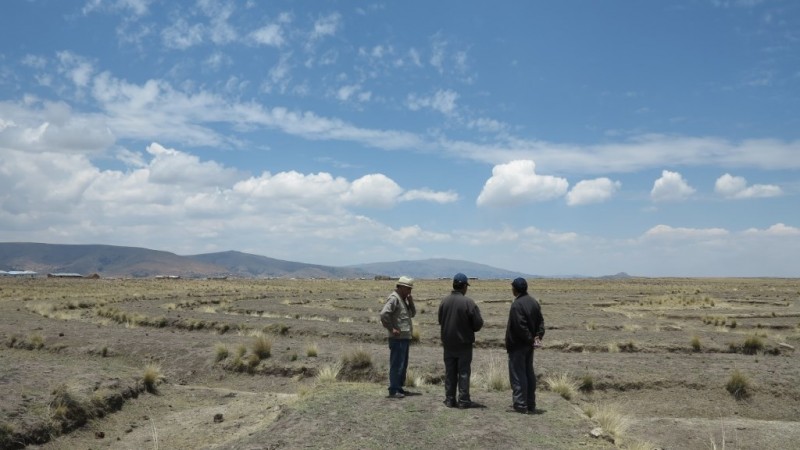
Climate change can impact on human health through vector-transmitted diseases or malnutrition.
Climate change affects health of populations, in particular in lowand middle-income settings. On behalf of the Global Programme Climate Change and Environment of the Swiss Agency for Development and Cooperation (SDC), Swiss TPH compiled a policy brief to shed light on the complex interactions between climate variations and health outcomes and propose solutions on how to mitigate impact. Climate variability and change are intimately linked to population health. Apart from direct health impact such as heat stress, climate change also impacts on diseases that are transmitted by vectors such as malaria or results in crop failure and thus malnutrition. Poor people more affected Poor people are particularly vulnerable to climate change due to limited resources to cope with climate-related health threats. Climate change hence puts a particular strain on health systems and on people's livelihoods in lowand middle-income settings. Ultimately, the consequences of climate change could therefore hinder global development efforts as stipulated in the Sustainable Development Goals (SDGs).
TO READ THIS ARTICLE, CREATE YOUR ACCOUNT
And extend your reading, free of charge and with no commitment.