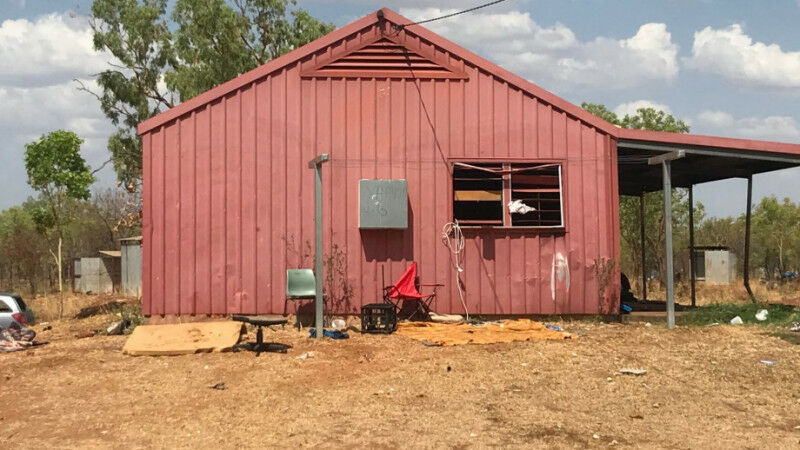
Photo: Dr Simon Quilty
Photo: Dr Simon Quilty Residents of remote Indigenous communities who prepay for access to electricity experienced unrelenting energy insecurity during the height of the COVID-19 pandemic, according to new research from The Australian National University (ANU). Study co-author Dr Simon Quilty said while most Australians were protected from disconnection during the pandemic, these protections largely overlooked or were ineffective for more than 10,000 households in remote or regional communities that elect or are mandated to use the prepay system. "This group continued to be disconnected from energy services at rates similar to that experienced before the pandemic, even as they were instructed by authorities to socially distance and isolate at home," Dr Quilty said. "Our paper shows disconnection for non-payment persisted even as case numbers increased during the hot summer months, when extreme heat amplifies disconnection rates." According to the researchers, the risks associated with regular disconnection for prepay customers have been long overlooked. The pandemic compounded the problem. "This contributed to a lack of visibility of energy insecurity and available protections for this already vulnerable group during the pandemic," lead author Brad Riley, from the ANU Centre for Aboriginal Economic Policy Research, said. "Now that remedial measures have come to an end, there is a need to think carefully about why prepay customers were, and continue to be, treated differently in relation to available protections.
TO READ THIS ARTICLE, CREATE YOUR ACCOUNT
And extend your reading, free of charge and with no commitment.