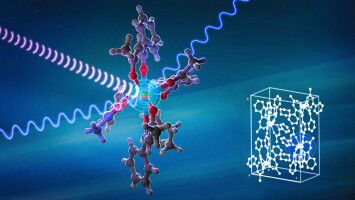
UC Berkeley scientists are designing smart nanoprobes, called nanocorals, to selectively attach to cancer cells, deliver therapeutic drugs and report on the local molecular environment. One side of the nanocorals is designed to selectively target the cell, while the other has a roughened surface to sense tell-tale chemical particles in the environment.
BERKELEY — Scientists at the University of California, Berkeley, have created smart nanoprobes that may one day be used in the battle against cancer to selectively seek out and destroy tumor cells, as well as report back on the mission's status. UC Berkeley scientists are designing smart nanoprobes, called nanocorals, to selectively attach to cancer cells, deliver therapeutic drugs and report on the local molecular environment. One side of the nanocorals is designed to selectively target the cell, while the other has a roughened surface to sense tell-tale chemical particles in the environment. (Benjamin Ross and Liz Wu, UC Berkeley) A small number of research teams around the world have been developing target-specific nanoprobes for the past 10 years in an effort to reduce — and perhaps eliminate — the toxic toll chemotherapy takes on the healthy cells that reside near their diseased counterparts. What had been missing, however, is a mechanism by which the nanoprobes could not only find the cancer cell, but also relay information once they latched onto the target. The UC Berkeley team created such multi-functioning probes, which they have dubbed nanocorals. "If you're sending a satellite into space, you need it to do more than one thing.
TO READ THIS ARTICLE, CREATE YOUR ACCOUNT
And extend your reading, free of charge and with no commitment.