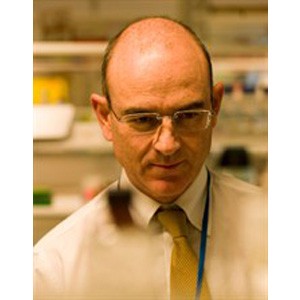
Francesco Muntoni, UCL Institute of Child Health
A team of scientists led by Francesco Muntoni of the UCL Institute of Child Health has won an EU grant to develop and test a novel drug treatment for boys with Duchenne muscular dystrophy (DMD). The clinical safety trial, which is not expected to start before autumn 2014, aims to recruit 12 boys - four from the UK - who have a particular genetic defect which the drug will target. The first stage of the trial will focus on identifying the best drug formula to 'skip' the area on the affected gene known as 'exon 53'. DMD is a devastating condition that affects one in 3,500 male births, with around 100 new cases diagnosed in the UK each year. DMD is caused by errors in the dystrophin gene, which affect the production of an essential muscle protein called dystrophin. The condition leads to progressive muscle weakness due to the breakdown and loss of muscle cells. By age 8-12, boys become unable to walk and by their late teens or early twenties the condition can become severe enough to limit life expectancy.
TO READ THIS ARTICLE, CREATE YOUR ACCOUNT
And extend your reading, free of charge and with no commitment.