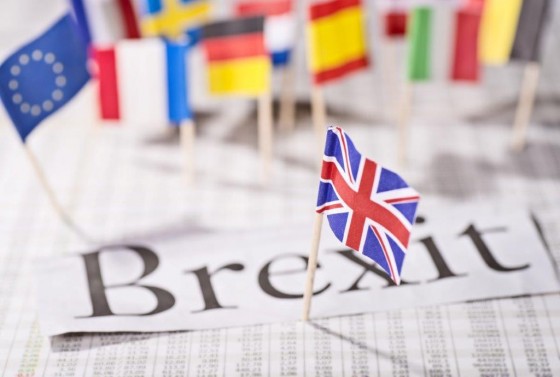
June 23 is the day of reckoning: Britain votes on whether its flag will still be included in the map of the EU.
? Foto: Eisenhans / fotolia.com
During his visit to the UK at the end of April US President Barack Obama made one thing clear: it is in the interest of the United States, he said, for the UK to remain in the EU. Moreover, London could not hope for any bilateral trade agreements to happen quickly. President Kennedy had a similar message for Britain in 1960, when he said that the Great Britain's global prestige would benefit from membership in what was then the European Economic Community (EEC). With the loss of the Empire, and African Commonwealth countries siding with the "non-aligned" countries, while Australia and Canada looked to the USA rather than the UK, Britain's future did indeed appear to lie with Europe. However, right from the beginning it was never a love affair. If the French President de Gaulle prevented Britain from joining the EEC in the 1960s - because he feared a loss of influence by France - disenchantment set in immediately after the country joined in 1973. In an election campaign the Labour Party had criticized the negotiations on accession conducted by the Conservative Prime Minister Edward Heath.
TO READ THIS ARTICLE, CREATE YOUR ACCOUNT
And extend your reading, free of charge and with no commitment.