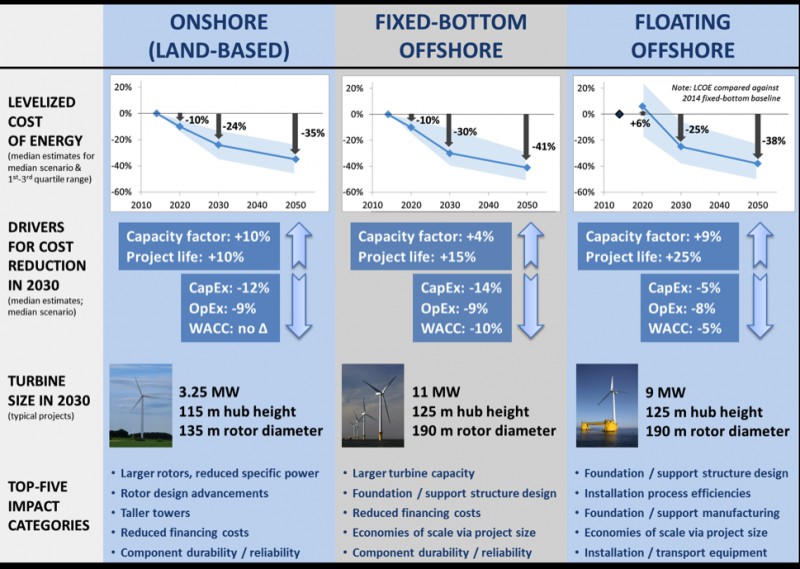
Figure 1. Summary of expert survey findings
Technology advancements are expected to continue to drive down the cost of wind energy, according to a survey of the world's foremost wind power experts led by Lawrence Berkeley National Laboratory (Berkeley Lab). Experts anticipate cost reductions of 24%?30% by 2030 and 35%?41% by 2050, under a median or 'best guess? scenario, driven by bigger and more efficient turbines, lower capital and operating costs, and other advancements (see Figure 1). The findings are described in an article in the journal Nature Energy . The study was led by Ryan Wiser, a senior scientist at Berkeley Lab, and included contributions from other staff from Berkeley Lab, the National Renewable Energy Laboratory, University of Massachusetts, and participants in the International Energy Agency Wind (IEA) Wind Technology Collaboration Programme Task 26. The study summarizes a global survey of 163 wind energy experts to gain insight into the possible magnitude of future wind energy cost reductions, the sources of those reductions, and the enabling conditions needed to realize continued innovation and lower costs. Three wind applications were covered: onshore (land-based) wind, fixed-bottom offshore wind, and floating offshore wind. 'Wind energy costs have declined dramatically in recent years, leading to substantial growth in deployment. But we wanted to know about the prospects for continued technology advancements and cost reductions,' said Wiser. 'Our 'expert elicitation' survey complements other methods for evaluating cost-reduction potential by shedding light on how cost reductions might be realized and by clarifying the important uncertainties in these estimates.' Significant opportunities for, but uncertainty in, cost reductions Under a 'best guess?
TO READ THIS ARTICLE, CREATE YOUR ACCOUNT
And extend your reading, free of charge and with no commitment.