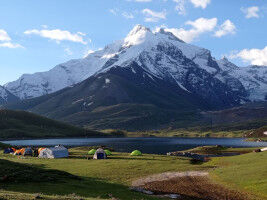
The Hungerli Valley in the south of Switzerland
The Hungerli Valley in the south of Switzerland - Falling rocks in mountains can pose a serious threat to mountaineers, roads and railways. When, where and how many rocks detach from their mountain partially depends on the climate. As the climate is warming, how will that influence rock falls and mountain erosion in the future? An international team of researchers led by Utrecht University's Daniel Draebing looked into the past to find an answer. Stabilising mountains. Similar to how ice creates cracks in roads, when water in mountains expands as it freezes, it can break off rocks. At the same time, permafrost ice - water that has been frozen for over two years - acts like concrete, stabilising the mountains. When permafrost ice and glaciers melt because of a warming climate, this makes the mountain slopes instable and prone to erosion.
TO READ THIS ARTICLE, CREATE YOUR ACCOUNT
And extend your reading, free of charge and with no commitment.