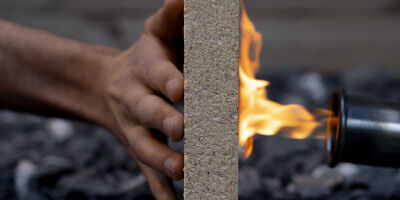
Germs don’t stand a chance
Enzymes from fungi, bacteria and plants render wood resistant to decomposing and pathogenic microorganisms. Possible applications might be germ-resistant wood surfaces for hospitals and nursing homes, but also fungus-resistant façades that last longer even without a protective coating. Weather-beaten wooden façades on exteriors are often a sorry sight: gray with fungi, eaten away by bacteria, the handsome material loses much of its original splendor, which discourages many home-owners and building contractors from using wood as a construction material. And wood is also regarded as an absolute no-no in kitchens or nursing homes, where hygiene is paramount. This is because, as a natural material, wood is an ideal breeding ground for many pathogenic microorganisms. Although wood varnishes or glazes can prevent an infestation, they frequently cause new problems as they often contain toxic substances. These pose a health risk during production and application, and can be washed out of the wood by rain or through wear and tear.