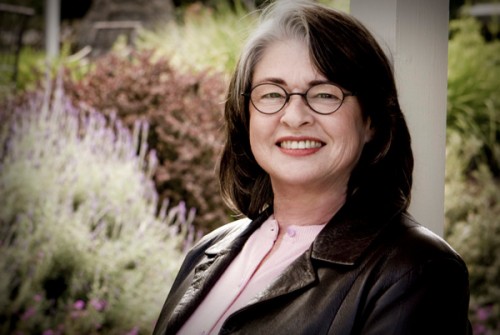
Laura Carstensen, a psychology professor and director of the Stanford Center on Longevity, is the study’s lead author.
The undertaking was an effort to answer questions asked by social scientists: Are American seniors who say they're happy simply part of an era that predisposed them to good cheer? Or do most people - whether born and raised in boom times or busts - have it within themselves to reach their golden years with a smile? BY ADAM GORLICK It's a prediction often met with worry: In 20 years, there will be more Americans over 60 than under 15. Some fear that will mean an aging society with an increasing number of decrepit, impaired people and fewer youngsters to care for them while also keeping the country's productivity going. The concerns are valid, but a new Stanford study shows there's a silver lining to the graying of our nation. As we grow older, we tend to become more emotionally stable. And that translates into longer, more productive lives that offer more benefits than problems, said Laura Carstensen , the study's lead author. "As people age, they're more emotionally balanced and better able to solve highly emotional problems," said Carstensen, a psychology professor and director of the Stanford Center on Longevity. "We may be seeing a larger group of people who can get along with a greater number of people.
TO READ THIS ARTICLE, CREATE YOUR ACCOUNT
And extend your reading, free of charge and with no commitment.