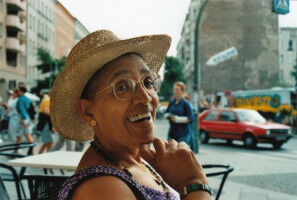
Graying of rural America has policy implications
WASHINGTON, D.C. More than 16.5 percent of rural Americans are age 65 or older, a higher proportion than in other parts of the country, so any changes to government services will have a greater affect on people who live in rural areas, reported a Cornell researcher June 20 at a congressional briefing. The briefing, Aging in Rural America: 21st Century Trends, at which this and other findings were presented, was prompted by the publication of the book, "Rural Aging in 21st Century America" (Springer, 2013), edited by Nina Glasgow, senior research associate in the Department of Development Sociology at Cornell, with E. Helen Berry of Utah State University. The U.S. population is rapidly aging, Glasgow said. More than 40 million Americans in 2012 were 65 or older, and the number is expected to jump to more than 70 million by 2030 when the last of the Baby Boomers reaches age 65. That represents an increase from 13 percent to 20 percent of the population as a whole. Glasgow said "rural aging presents not just challenges but also opportunities, because many older people are active volunteers and social entrepreneurs, and often continue working after age 65, especially on a part-time basis." Other speakers included Douglas T. Gurak, professor of development sociology at Cornell, speaking on elderly immigrants in rural America; Joachim Singelmann, professor of public policy and chair of the demography department, University of Texas at San Antonio, addressing the health of African-Americans in nonmetropolitan areas; and Kenneth M. Johnson, professor of sociology at the University of New Hampshire, speaking on rural retirement migration and "natural decrease," referring to more deaths than births.