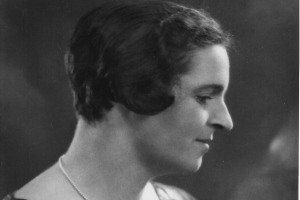
Birth control pioneer Charis Frankenburg
A University of Manchester historian researching a forgotten band of women, who established birth control clinics in working class communities during the 1920s, says their work should be recognised. Clare Debenham argues the volunteers probably saved the lives of many mothers in the interwar years, during a time of rising maternal mortality. The campaigners, who overcame bitter and sometimes intimidating opposition from the medical establishment, politicians and the Catholic church pioneered what became a statutory right for women across the UK. Most of the women have faded into obscurity and according to Debenham only the charismatic Marie Stopes is commonly remembered. However, over a hundred of ordinary women, she says, were involved in the setting up and running of voluntary birth control clinics. Debenham, whose research on the birth control movement formed the basis of her PhD, is based in the School of Social Sciences. She said: "These brave and pioneering women did so much to protect and enhance the lives of working class women in what were incredibly dangerous times to give birth.
TO READ THIS ARTICLE, CREATE YOUR ACCOUNT
And extend your reading, free of charge and with no commitment.