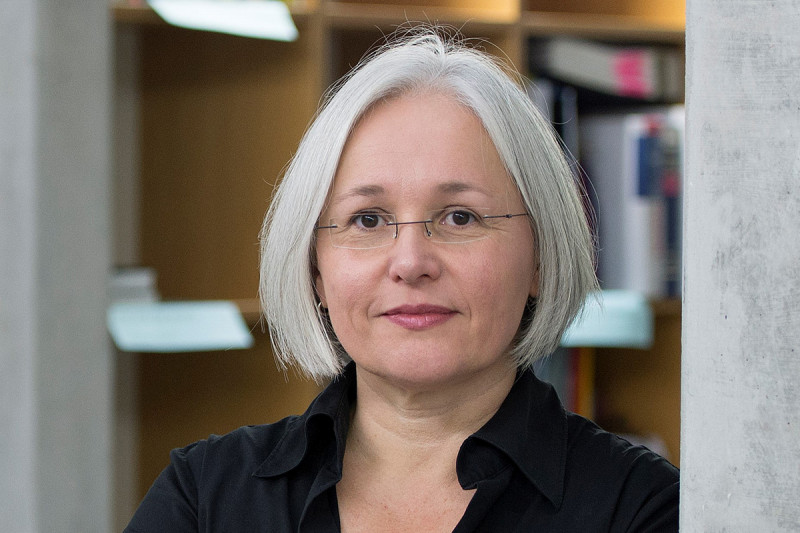
 Sabine Sczesny is for Social Psychology at the Department of Social Neuroscience and Social Psychology, Institute of Psychology, University of Bern.
Sabine Sczesny is for Social Psychology at the Department of Social Neuroscience and Social Psychology, Institute of Psychology, University of Bern. University of Bern © Universität Bern / Université de Berne / University of Bern - A new European research project led by the University of Bern is investigating the factors influencing the educational and professional careers of women and men, including members of gender and sexual minorities. "G-VERSITY" will receive EUR 4.1 million from the EU "Horizon 2020" funding program. The project is being coordinated by Prof. Sabine Sczesny from the Institute of Psychology. The aim of the international "G-VERSITY - Achieving Gender Diversity" research project is not just to investigate the factors that depend on biological and social gender in education and career paths. The large-scale project will also develop scientifically sound measures to promote gender diversity in working life. "Because," says Sabine Sczesny, Professor of Social Psychology at the University of Bern and coordinator of G-VERSITY, "many private and public employers want to achieve gender diversity on their staff.
TO READ THIS ARTICLE, CREATE YOUR ACCOUNT
And extend your reading, free of charge and with no commitment.
Your Benefits
- Access to all content
- Receive newsmails for news and jobs
- Post ads