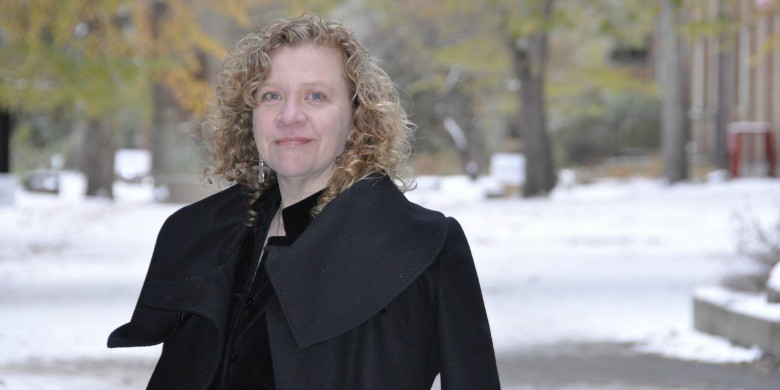
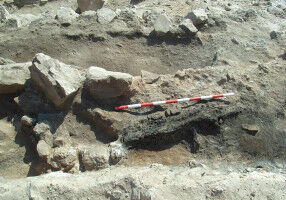
Sandra Garvie-Lok says her experience studying the bones of a supposed vampire helped her stake out her research career as an anthropologist.
The sight of Halloween ghouls and goblins may bring fear and dread to some people, but for University of Alberta anthropologist Sandra Garvie-Lok , it brings back fond memories of a supposed member of the undead who helped her stake out her career. Garvie-Lok, an osteologist, was set to study North American sites until a fateful opportunity took her to the island of Lesbos in Greece, where she found herself with the skeleton of an alleged vampire from the Ottoman Empire. She became embroiled in ethnocultural history and vampire lore that would play a small part in her focusing on Greece and ancient civilizations. She says the vampire tales from that region and the pop-culture iterations of the undead bear little resemblance, especially when it comes to disposing of a vampire. And as for her own adventure as a vampire hunter, she says it's an experience she'll never forget. "In addition to looking at the vampire, who was fascinating, I also looked at the other remains, did the stable isotopes and pathology, and that became the focus of my career," Garvie-Lok said. "It really did change my research life." Tales from the real vampire diaries? She says the regional accounts of vampires are consistent from Greece all the way through to the Slavic states, and none of the stories had anything to do with bats, biting or blood loss.
TO READ THIS ARTICLE, CREATE YOUR ACCOUNT
And extend your reading, free of charge and with no commitment.